
Lowering utility bills doesn’t always require major renovations or expensive upgrades. In many homes, minor, low-effort tweaks can deliver immediate savings by reducing wasted energy and improving efficiency.
These quick home energy-saving tips are fast to implement, inexpensive, and often pay for themselves within weeks. The key is targeting the everyday inefficiencies that quietly drive costs higher.
When you stack a handful of small improvements, the cumulative impact on your monthly bill can be surprisingly significant.
Sealing the Leaks That Drain Energy Fast
Air leaks are one of the most significant and most overlooked sources of energy loss. Gaps around doors, windows, outlets, and baseboards allow heated or cooled air to escape constantly, forcing your HVAC system to work harder than necessary.
Weatherstripping doors and sealing window gaps with caulk or draft tape can immediately reduce air leakage. These fixes are inexpensive, require minimal tools, and often take less than an hour to complete. Even stopping small drafts improves indoor comfort, reducing the need for thermostat adjustments.
Outlet and switch plate insulation is another quick win. These small foam inserts prevent cold air from sneaking in through exterior walls, especially in older homes. The cost is minimal, but the improvement in temperature stability is noticeable.
For natural ways to cool your home, read Why Some Plants Lower Your Power Bill.
Adjusting Thermostat Habits for Quick Wins
Thermostat settings have a significant impact on utility bills. Lowering your heating temperature by just one or two degrees in winter, or raising cooling temperatures slightly in summer, can reduce energy use without sacrificing comfort.
Programmable or smart thermostats amplify this effect by automatically adjusting temperatures when you’re asleep or away. Even without new equipment, manually setting nighttime or daytime setbacks can deliver instant savings.
Ceiling fans also help. Running fans counterclockwise in summer creates a cooling breeze that allows higher thermostat settings. In winter, reversing the fan direction pushes warm air down from the ceiling, improving heat distribution and reducing heating demand.
Check out The Hidden Costs of Home Appliances Running in the Background to uncover silent energy drains.
Reducing Standby and Lighting Waste
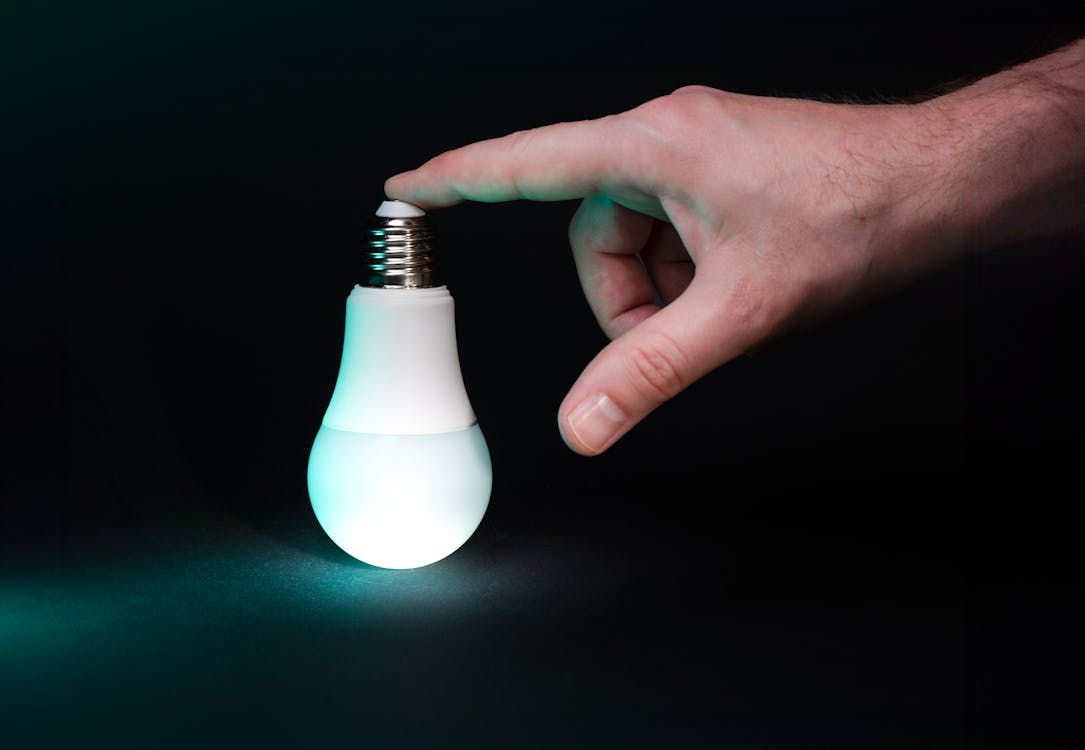
Lighting and electronics contribute more to utility costs than many people realize. Swapping out frequently used bulbs for LEDs immediately reduces electricity use and lowers heat output, which also lowers cooling costs in warmer months.
Phantom energy is another fast fix. Unplugging idle electronics, using power strips, or disabling “instant-on” features stops devices from drawing power 24/7. These minor adjustments reduce background energy use without affecting daily routines.
Laundry habits matter too. Washing clothes in cold water and air-drying when possible reduces both water heating and electricity use. These changes require no equipment upgrades and deliver savings with every load.
See How the Color of Your Walls Influences Utility Costs for a surprising tweak that affects energy use.
Improving Water Efficiency Without Remodeling
Hot water is one of the most energy-intensive utilities in a home. Lowering your water heater temperature to around 120°F reduces energy use instantly while maintaining comfort and safety.
Low-flow showerheads and faucet aerators are inexpensive, easy to install, and immediately reduce water and energy use. They maintain pressure while using less hot water, thereby shortening heater runtimes.
Fixing small leaks also delivers immediate returns. A dripping faucet or running toilet wastes water continuously, increasing both water and energy bills. Many fixes require only basic tools and minimal time.
Even shortening showers by a few minutes can significantly reduce hot water demand over the course of a month.
Explore What Your Water Temperature Says About Your Plumbing Efficiency for more fast fixes.
How Small Tweaks Add Up to Real Savings
Individually, each tweak may seem modest. Together, they create a compounding effect that lowers baseline energy use across your entire home. Reduced strain on HVAC systems extends equipment lifespan, delays costly repairs, and improves overall comfort.
The most significant advantage of minor tweaks is accessibility. You don’t need contractors, permits, or long timelines, only awareness and a willingness to act. These changes put savings back in your pocket immediately while laying the groundwork for bigger efficiency improvements later.
Lower utility bills aren’t just about big projects. Often, the fastest savings come from the most minor fixes.