
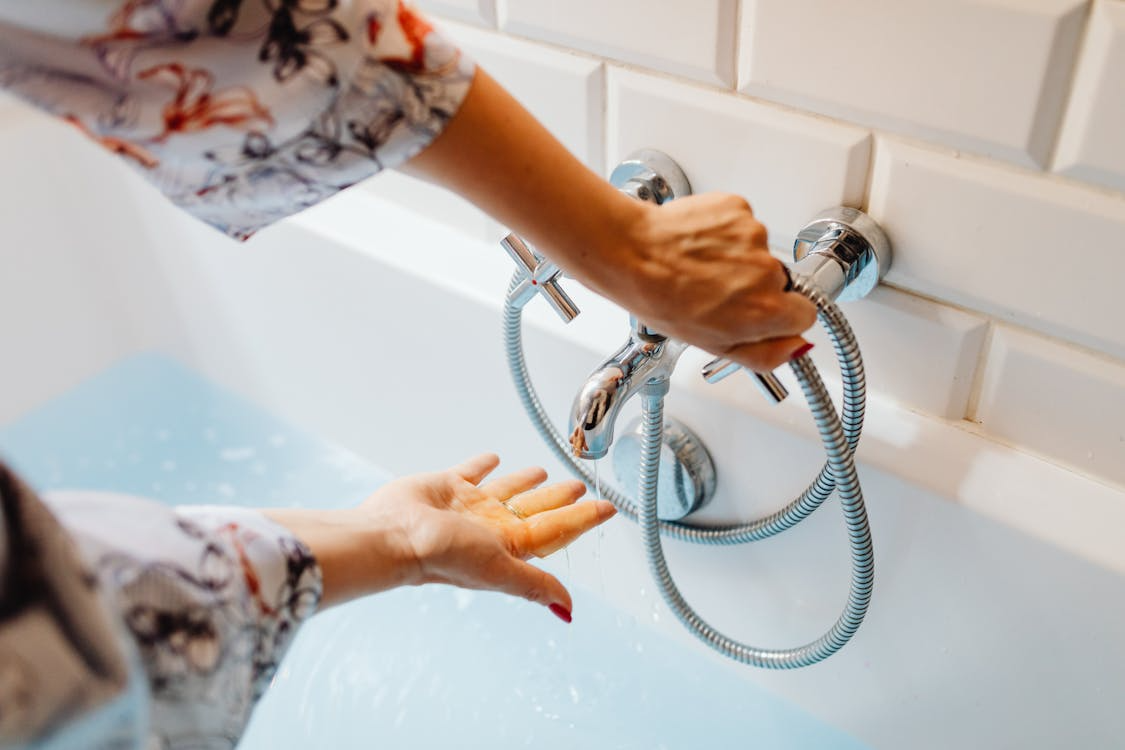
Long waits for hot water, inconsistent temperatures, or water that’s scalding one moment and lukewarm the next often signal hidden inefficiencies that cost you money every month.
Water temperature is something most people adjust without a second thought. Turn the knob until it feels right and move on. But the way hot water behaves in your home reveals a surprising amount about the efficiency of your plumbing system.
By paying attention to how quickly and consistently hot water reaches your fixtures, you can spot issues early and make minor adjustments that improve comfort while reducing wasted energy and water.
Why Hot Water Delay Signals Energy Waste
If you wait a long time for hot water to arrive at the tap, your system is likely losing heat along the way. This happens when pipes are long, poorly insulated, or routed through unheated spaces. While you’re waiting, cold water flows down the drain, and your water heater works harder to maintain the temperature.
Each extra second adds up. Over time, gallons of water and the energy used to heat it are wasted daily. This inefficiency increases both water and energy bills without providing any added comfort.
In older homes, outdated plumbing layouts often contribute to these delays. Even newer homes can suffer if efficiency wasn’t prioritized during installation.
See Why Some Plants Lower Your Power Bill for another easy way to reduce monthly energy use.
What Inconsistent Temperatures Reveal About Your System
Sudden changes in water temperature usually indicate pressure or flow issues. If your shower turns cold when someone runs a sink or flushes a toilet, your plumbing may lack pressure-balancing valves. This inefficiency forces your water heater to compensate, cycling more frequently and wearing out faster.
Temperature swings can also point to sediment buildup inside the water heater. Over time, minerals settle at the bottom of the tank, reducing heating efficiency and making it harder to maintain consistent temperatures. This buildup causes the heater to work longer and consume more energy.
In tankless systems, fluctuating temperatures often signal flow-rate mismatches or scaling within the heat exchanger, both of which reduce efficiency.
Check out How to Transform Daily Routines Into Low-Cost Rituals to make small habits work harder financially.
How Your Water Heater Settings Affect Efficiency
Many water heaters are set too hot. Higher temperatures increase standby heat loss and accelerate wear on the unit. For most households, a water temperature setting of around 120°F provides comfortable hot water while minimizing energy waste.
Excessively hot water doesn’t just cost more; it increases the risk of scalding and forces you to mix in more cold water, which defeats the purpose of heating it so high in the first place. Lowering the temperature slightly often delivers immediate savings without sacrificing comfort.
Regular maintenance matters, too. Flushing the tank annually removes sediment and restores heating efficiency. Insulating the water heater and exposed hot water pipes further reduces heat loss.
Learn Small Home Tweaks That Cut Utility Costs Instantly for quick changes that complement hot water savings.
Simple Ways to Improve Plumbing Efficiency
Start by timing how long it takes for hot water to reach each fixture. Long delays often identify areas where insulation or system upgrades could be beneficial. Pipe insulation is inexpensive and often pays for itself quickly by reducing heat loss.
Installing low-flow fixtures can also improve efficiency. These fixtures reduce water usage without compromising pressure, allowing hot water to arrive faster and remain consistent.
If delays are severe, a hot water recirculation system may be a worthwhile consideration. These systems keep hot water flowing through pipes, making it available almost instantly, thereby reducing waste. However, they must be timed appropriately or demand-activated to avoid increasing energy use.
Finally, pay attention to patterns. If water temperatures change suddenly or worsen over time, it’s often a sign that maintenance or upgrades are needed. Addressing these issues early can prevent higher bills and extend the life of your plumbing system.
Understanding what your water temperature is telling you provides insight into how efficiently your home operates and where small changes can lead to lasting savings.
Also read The Hidden Costs of Home Appliances Running in the Background to spot silent energy drains at home.