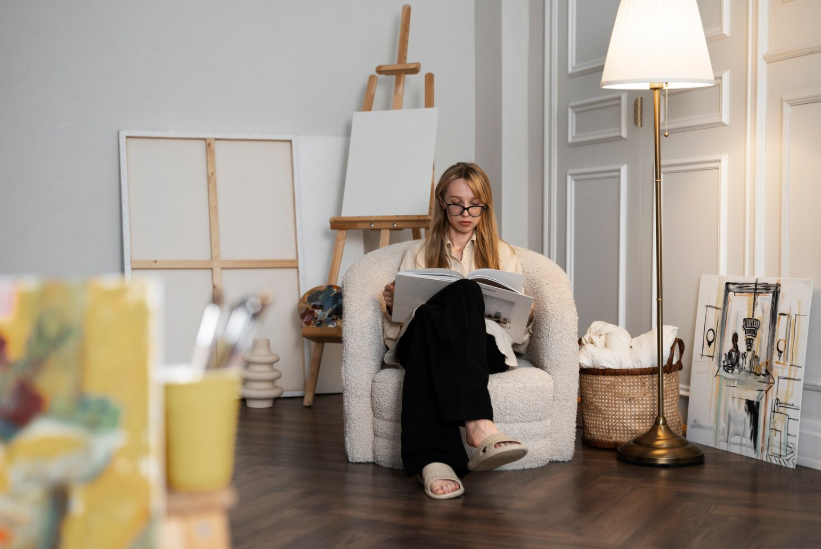
Understanding how wall color affects energy efficiency helps you make informed design decisions that not only look good but also work in your favor financially.
Wall color is usually chosen for its style, mood, or resale appeal, but it also plays a subtle role in determining how much energy your home uses. The colors you choose for your walls can affect how light and heat move through a space, which in turn influences the workload of your heating and cooling systems. While paint alone won’t slash your utility bills, wise color choices can support overall efficiency and improve comfort year-round.
How Color Affects Heat Absorption and Retention
Dark colors absorb more heat than light colors. When walls absorb heat, whether from sunlight or indoor sources, that warmth stays in the room longer. In cooler climates or colder months, darker tones can help retain warmth, slightly reducing the need for constant heating.
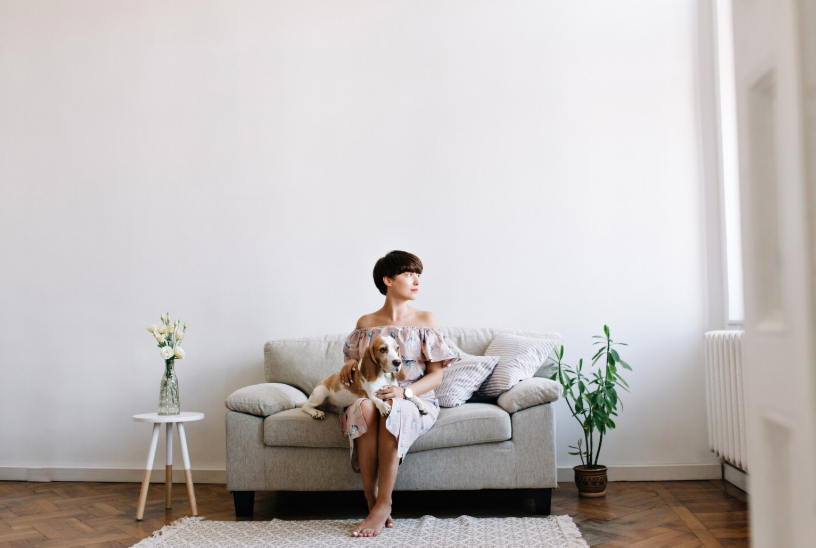
Light colors, on the other hand, reflect more heat. In warmer climates or rooms with intense sunlight, light-colored walls bounce thermal energy away instead of absorbing it. This reflection helps keep rooms cooler and reduces strain on air conditioning systems.
The impact becomes more noticeable in rooms with large windows or direct sun exposure. South- and west-facing rooms benefit most from lighter shades if cooling costs are a concern.
Explore Why Some Plants Lower Your Power Bill for another natural way to lower costs.
Why Light Reflectivity Impacts Lighting Costs
Color doesn’t just affect heat; it changes how light spreads through a room. Light-colored walls reflect more natural and artificial light, making spaces appear brighter without the need for additional lamps or overhead fixtures.
In darker rooms, more lighting is needed to achieve the same brightness level. That means higher electricity usage, especially in rooms where lights remain on for extended periods. Light neutrals, soft whites, and pale pastels maximize reflectivity and help reduce lighting demand.
This effect compounds over time. Using lighter colors in hallways, kitchens, and living areas, where lighting is frequently used, can subtly reduce energy consumption without compromising comfort.
See What Your Water Temperature Says About Your Plumbing Efficiency to identify small changes.
How Color Choice Affects Room Comfort and Behavior
Comfort plays a role in utility costs that is indirect. Dark, warm-toned rooms often feel cozier and warmer, which can influence thermostat habits. In winter, people may feel comfortable at slightly lower temperatures in darker or warmer-toned spaces.
Conversely, cool-toned and light-colored rooms tend to feel fresher and more open. In summer, this can reduce the urge to lower the thermostat because the room already feels cooler.
These psychological effects are significant because thermostat changes have a greater impact on energy costs than most people realize. Even small shifts in comfort perception can lead to measurable savings.
Check The Hidden Costs of Home Appliances Running in the Background to spot everyday energy drains.
Using Color Strategically for Energy Savings
The most effective approach is room-specific color planning. Use lighter shades in rooms that receive a lot of sunlight or tend to overheat. In cooler or low-light rooms, medium or darker tones can help retain warmth and create a sense of balance.
Ceilings also matter. Light-colored ceilings reflect light downward, brightening rooms naturally and reducing the need for overhead lighting. This is especially helpful in rooms with limited windows.
If repainting isn’t an option, décor choices can help. Light-colored curtains, rugs, and furniture reflect light and reduce heat absorption, while darker accents can add warmth where needed without dominating the space.
Ultimately, color works best as part of a larger efficiency strategy that includes insulation, window treatments, and smart thermostat use. When combined thoughtfully, wall color becomes more than a design choice. It becomes a subtle tool for managing comfort and costs.