
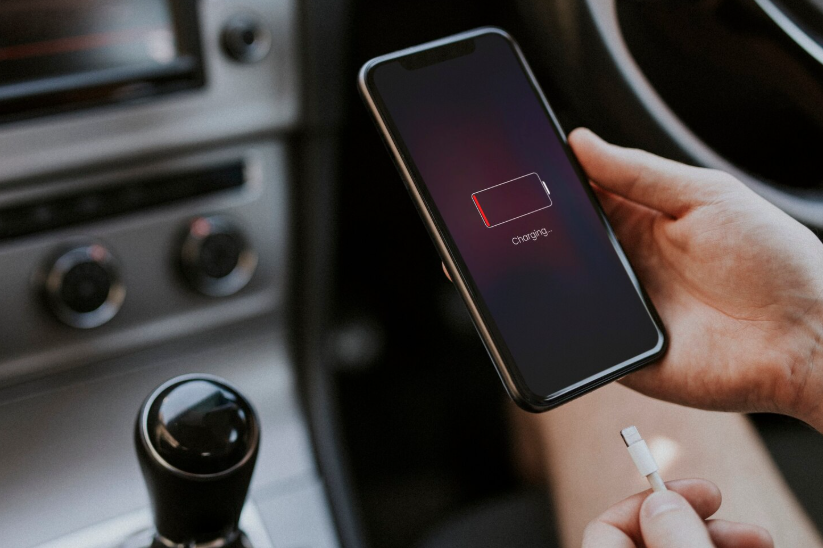
The weather has a direct impact on how lithium-ion batteries perform. Understanding why the weather affects phone battery efficiency can help you protect your device, extend battery life, and avoid premature replacements.
Phones are designed to operate within a narrow temperature range. When conditions fall outside that zone, efficiency drops quickly.
You may have noticed that your phone loses power unusually quickly on very hot or cold days. One minute it shows 40 percent, the next it’s scrambling for a charger. This isn’t a software glitch or a failing battery; it’s physics.
How Temperature Affects Lithium-Ion Batteries
Lithium-ion batteries rely on chemical reactions to store and release energy. These reactions slow down in cold temperatures and become unstable in extreme heat. When it’s cold, the battery struggles to deliver power efficiently, which causes sudden drops in charge percentage or unexpected shutdowns.
Heat creates a different problem. High temperatures accelerate chemical reactions inside the battery, which sounds beneficial, but they actually degrade internal components more quickly. Prolonged exposure to heat permanently reduces battery capacity, meaning your phone won’t hold a charge as well, even when temperatures return to normal.
This is why manufacturers warn against leaving phones in hot cars, freezing conditions, or direct sunlight. Environmental stress shortens battery lifespan far more than regular daily use.
Check out What Everyday Sounds Reveal About Your Car’s Health to understand subtle performance warning signs.
Why Cold Weather Causes Sudden Battery Drops
Cold weather is especially notorious for dramatic battery drain. At low temperatures, the chemical reaction inside the battery slows significantly, allowing the phone to access only a portion of the stored energy. The battery isn’t empty; it just can’t deliver power fast enough.
As a result, your phone may shut off suddenly, even when the battery indicator still shows a remaining charge. Once the device warms back up, that lost percentage may magically reappear. This effect is temporary, but repeated cold exposure can lead to long-term wear.
Phones also work harder in cold conditions. Screens require more power to maintain brightness, and processors compensate for reduced efficiency, increasing energy demand at the worst possible time.
For another silent energy drain example, read The Hidden Costs of Home Appliances Running in the Background.
How Hot Weather Accelerates Battery Wear
Heat doesn’t usually cause sudden shutdowns, but it does silent damage. High temperatures break down battery materials over time, permanently reducing capacity. This means shorter battery life every day, not just during heatwaves.
Phones in hot environments also throttle performance to protect internal components. When this happens, apps may consume more power as the system struggles to maintain a stable temperature. Charging in hot conditions is especially harmful, as heat plus electrical current accelerates degradation.
Even accessories matter. Thick cases trap heat, preventing phones from cooling properly in warm weather and further straining the battery.
To learn how environmental shifts affect costs, see The Real Reason Gas Prices Change Throughout the Day.
Smart Ways to Protect Your Battery in Extreme Weather
The best strategy is temperature awareness. Keep your phone close to your body in cold weather to keep it warm. Avoid leaving it exposed in freezing air, even for short periods.
In hot conditions, remove your phone from direct sunlight and avoid charging it when it already feels warm. Taking off bulky cases during heavy use can help with heat dissipation. If your phone displays a temperature warning, stop using it until it cools down.
Battery-saving settings also help. Lower screen brightness, disable unnecessary background apps, and use low-power mode when conditions are extreme. These steps reduce strain when the battery is already operating inefficiently.
Finally, avoid judging battery health based solely on cold-weather performance. Sudden drops don’t always mean your battery is failing. They often mean it’s a normal reaction to environmental stress.
Understanding how weather affects your phone’s battery helps you adjust your habits, avoid unnecessary replacements, and get the most value from your device.