
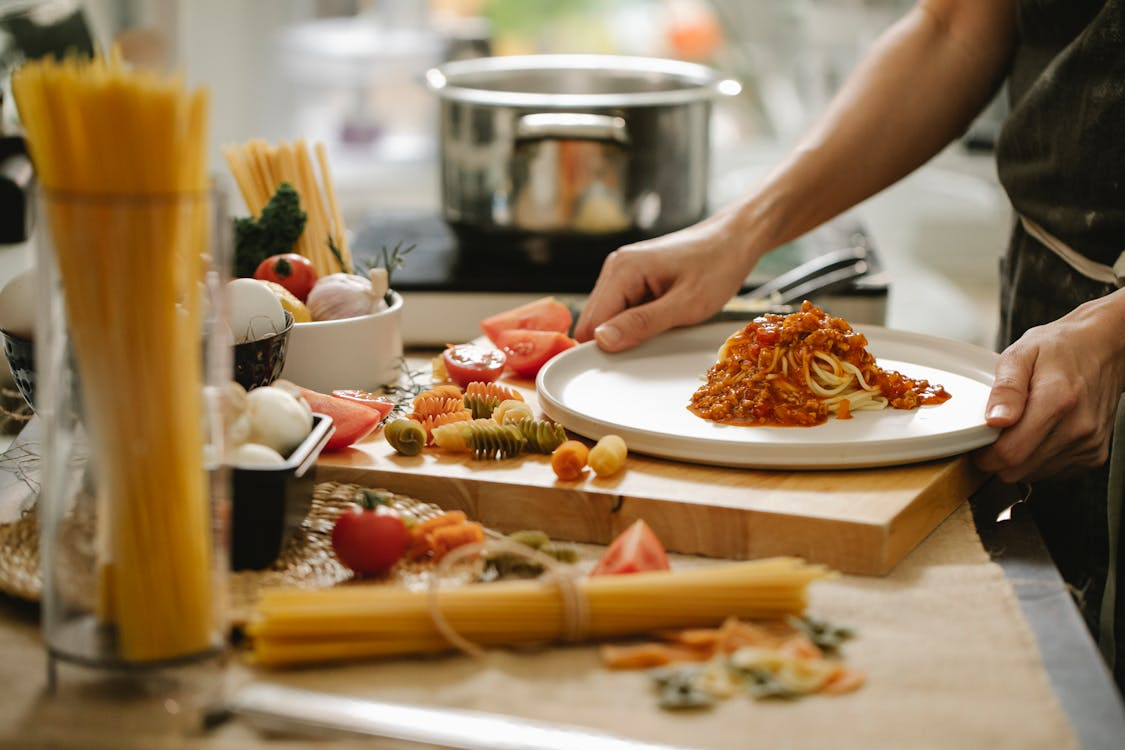
To explore world cuisine at home isn’t about authenticity or perfection. It’s about discovery, learning, and flavor.
Exploring global cuisine often feels like something reserved for travel, restaurant outings, or expensive specialty ingredients. But many of the world’s flavors are already accessible in your own kitchen.
With a curious mindset and a few intentional choices, you can experience international cuisines at home, cheaply, creatively, and without turning cooking into a complicated project.
Why Cuisine Is One of the Easiest Ways to “Travel”
Food carries culture. Spices, techniques, and ingredient combinations tell stories about geography, climate, and tradition. Trying a new cuisine activates curiosity in the same way travel does, without the need for airfare, lodging, or reservations.
Cooking at home also removes pressure. There’s no menu anxiety, no rush, and no expectation to “get it right.” That freedom makes experimentation more enjoyable and far less expensive than dining out.
Cuisine exploration satisfies the novelty-seeking instinct without defaulting to spending, making it an ideal low-cost way to break the routine.
Explore How to Create a Learning Bucket List Without Breaking the Bank to turn cooking into a fun activity.
Starting With Flavor Profiles Instead of Recipes
Rather than hunting for complex recipes, start with flavor profiles. Many cuisines rely on a few recurring elements: spices, acids, fats, and cooking methods.
For example, Mexican-inspired meals often feature chilies, cumin, lime, and cilantro. Mediterranean flavors lean on olive oil, garlic, lemon, and herbs. Asian cuisines often balance flavors such as salty, sweet, sour, and umami.
Once you understand the profile, you can apply it to ingredients you already have. A familiar protein or vegetable prepared with a new spice blend creates a recognizable but fresh experience without buying specialty items.
See How to Experience Local Tourism Without Spending a Dime to pair food nights with cultural exploration.
Using Grocery Stores and Pantries Strategically
You don’t need to specialize in niche markets to explore global food. Most grocery stores already stock international staples, often quietly tucked away in a small aisle or among regular items.
Focus on multi-use ingredients. A single spice, such as curry powder, soy sauce, or smoked paprika, can anchor multiple cuisines. Buying one new item occasionally is far cheaper than ordering restaurant meals, and it stretches across many dishes.
Your existing pantry likely works harder than you realize. Rice, beans, eggs, potatoes, onions, and canned tomatoes appear in cuisines around the world. Changing the seasoning changes the destination.
Check out How to Build a Low-Cost Hobby Corner at Home to create a relaxed cooking space.
Making Cuisine Exploration Simple and Repeatable
Choose one region at a time. Spend a week loosely inspired by a country or flavor style rather than committing to specific dishes. This keeps the experience flexible and low-pressure.
Theme nights help without forcing complexity. “Mediterranean night,” “Latin-inspired bowls,” or “Asian-style stir fry” provide direction while leaving room for improvisation.
Cooking methods matter too. Stir-frying, roasting with spices, simmering sauces, or flatbread-style cooking can instantly shift a meal’s identity.
To keep cuisine exploration affordable, don’t miss The $10 Curiosity Challenge: Explore Something New Every Week.
Learning Through Food Without Overspending
Free resources make global cooking approachable. Libraries, public broadcasting, food blogs, and video tutorials offer endless inspiration without cost. Watching how flavors are combined matters more than following instructions precisely.
Mistakes are part of the experience and often still edible. Treat exploration as a learning opportunity, not a performance. When expectations are low, enjoyment stays high.
Over time, repeated exposure builds confidence. You begin to recognize patterns across world cuisines, making it easier to experiment without relying on recipes.
Exploring world cuisine at home proves that travel isn’t always about distance. Sometimes it’s about attention, curiosity, and willingness to try something new with what you already have.
When food becomes a tool for discovery instead of consumption, meals feel richer, and spending becomes optional.