The capsule kitchen approach isn’t about limiting what you eat. It’s about designing your kitchen so that everyday meals become easier and cheaper by default. With capsule kitchen meal planning, you rely on a small set of versatile ingredients that can be used across dozens of dishes.
A capsule kitchen applies the same principle as a capsule wardrobe: fewer, more versatile essentials that work together effortlessly. Instead of a cluttered pantry full of one-off ingredients, a capsule kitchen relies on a small, flexible set of staples that can be combined into dozens of meals.
The result is simpler cooking, lower grocery bills, and significantly less food waste, all without sacrificing variety or enjoyment.
Why Fewer Ingredients Lead to Better Meals
Too many ingredients create friction. When your kitchen is overloaded with options, meal decisions become harder, not easier. A capsule kitchen reduces decision fatigue by narrowing choices to ingredients you know how to use well.
Fewer ingredients also increase familiarity. When you cook with the same staples repeatedly, you learn how they behave, how to season them effectively, and how to adapt them across various cuisines. That confidence speeds up cooking and reduces reliance on expensive convenience foods or takeout.
Most importantly, repetition reduces waste. Ingredients get used up entirely instead of lingering in the back of the fridge until they expire.
Explore Meal Planning for People Who Hate Meal Planning to simplify choices and make cooking easier.
How to Choose Core Capsule Ingredients
A strong capsule kitchen starts with versatile basics. These are ingredients that can anchor multiple meals and cuisines. Think of proteins like eggs, beans, lentils, chicken, tofu, or ground meat. These can be transformed into breakfasts, lunches, or dinners with minimal adjustments.
Carbohydrates matter, too. Rice, pasta, potatoes, oats, and tortillas form the backbone of countless meals. Choose two or three that you enjoy and rotate them rather than stocking everything.
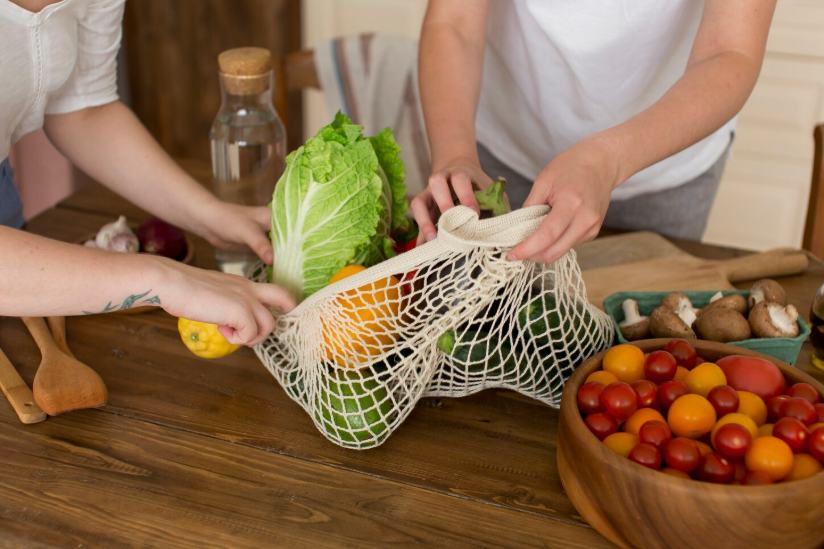
Vegetables should prioritize durability and flexibility. Onions, carrots, cabbage, frozen vegetables, canned tomatoes, and greens like spinach or kale are versatile ingredients that adapt easily to soups, stir-fries, roasts, and salads. Frozen produce is especially helpful because it eliminates the pressure of spoilage.
Flavor builders tie everything together. A subtle, intentional spice and condiment collection, including oil, vinegar, soy sauce, garlic, salt, pepper, and a few favorite spices, creates variety without excess.
Read Why Weather Impacts What You Pay for Groceries to see how shifting conditions affect costs.
Why Meal Flexibility Beats Meal Planning
Traditional meal planning can feel rigid and time-consuming. A capsule kitchen supports a looser system. Because ingredients overlap, you can decide what to cook based on what you have rather than following a strict plan.
This flexibility saves money by reducing the need for last-minute grocery runs. If dinner plans change, the ingredients can still be used elsewhere. Leftover vegetables become soup. Extra rice turns into fried rice. Cooked protein gets repurposed the next day.
The kitchen becomes adaptive rather than fragile and can handle schedule changes without triggering takeout spending.
Check How to Build a ‘Use What You Have’ Mindset Without Feeling Restricted to make low-cost cooking intentional.
How a Capsule Kitchen Cuts Grocery Costs
Buying fewer ingredients in larger quantities reduces the per-unit cost. Instead of purchasing specialty items for single recipes, you invest in staples that earn their place repeatedly. This reduces both spending and mental clutter.
Grocery trips become faster and more focused. With a clear list of core items, impulse buys drop naturally. You stop buying “just in case” ingredients because your kitchen already meets most of your needs.
Food waste shrinks dramatically. When ingredients are interchangeable, nothing feels stuck or unusable. This alone can save a significant amount of money over the course of a year.
See Why Some Foods Keep You Fuller for Longer and Save Grocery Money to choose the right capsule ingredients.
How to Build Your Capsule Kitchen Gradually
You don’t need to overhaul your kitchen overnight. Start by noticing what you already use most often. Those items form the foundation of your capsule. Next, identify ingredients you buy rarely or throw away usually — those are candidates for removal.
Test the system for a week or two. Cook primarily from your core staples and note what you miss and what you don’t. Adjust based on real use, not idealized plans.
Over time, your kitchen is more efficient, lighter, and easier to maintain. Cooking feels simpler, groceries feel more predictable, and meals cost less without feeling repetitive.
A capsule kitchen isn’t about eating the same thing every day. It’s about creating a system where meals are easy, adaptable, and affordable, and where your kitchen works for you, not against you.