A low-cost hobby corner creates a dedicated space that invites creativity, relaxation, or learning without requiring a large budget. Many people look for low-cost hobby ideas at home, but the real key is having a space that makes hobbies easy to return to.
Hobbies are often framed as something you invest money into, such as supplies, gear, memberships, or upgrades. But many hobbies thrive not on expense, but on access and consistency.
When a hobby is easy to start and return to, it becomes part of daily life instead of something you “get around to.” The goal isn’t a perfect setup. It’s a usable one.
Why Having a Dedicated Space Matters More Than Supplies
Hobbies fade when they’re inconvenient. If supplies are scattered, stored away, or require setup every time, friction builds, and the hobby gets postponed. A small, defined space removes that friction.
A hobby corner signals permission. When tools or materials are visible and ready, the brain recognizes the activity as accessible. This makes it more likely you’ll engage for a few minutes, which is often all it takes to build momentum.
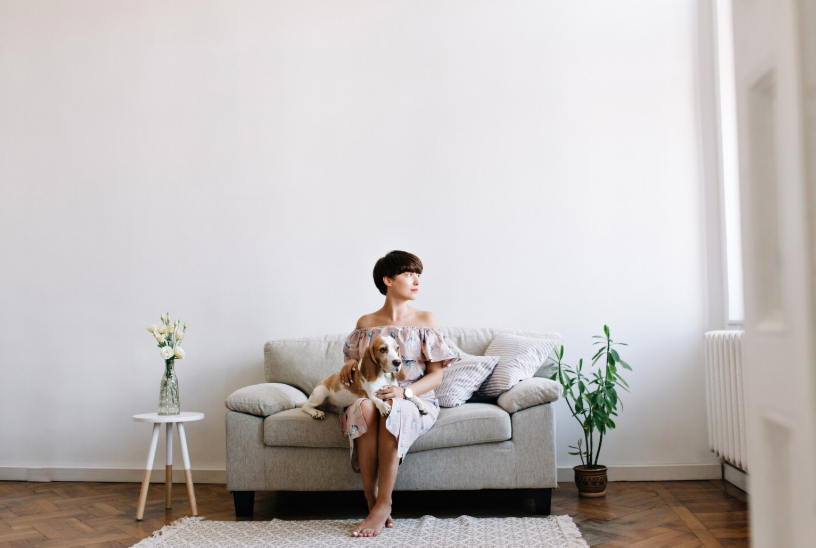
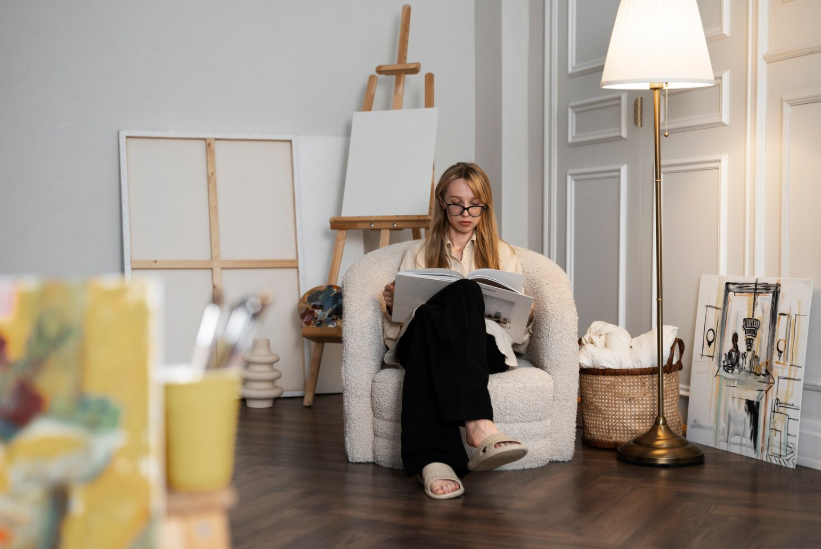
The size of the space doesn’t matter. A chair by a window, a corner of a desk, or a shelf near the couch is enough to anchor a habit.
Explore How to Create a ‘Weekend Reset’ Routine That Saves You Money All Week Long to refresh your space.
How to Choose the Right Spot in Your Home
Look for underused areas rather than adding furniture. Corners near natural light, quiet rooms, or low-traffic spaces work well. The spot should feel inviting but not isolating.
Comfort matters more than aesthetics. A supportive chair, decent lighting, and a stable surface do more for enjoyment than decorative upgrades. Use what you already have before buying anything new.
If space is shared, define boundaries visually. A basket, tray, or box can hold hobby items and be set out or put away easily, keeping the area flexible.
To grow your hobbies without spending, check How to Learn a New Skill Using Mostly Free Resources.
Using What You Already Own to Stock the Corner
Most hobby corners already exist in pieces throughout your home. Books, notebooks, pens, craft supplies, instruments, puzzles, or tools can be gathered in one place at no cost.
Repurpose containers for organization. Jars, boxes, drawers, or bags keep supplies visible and manageable. Organization isn’t about perfection; it’s about reducing barriers to starting.
Limit the setup to essentials. Too many options can stall action. Choose the tools that support doing, not collecting.
Learn The Psychology of the ‘Small Yes’ and How It Affects Your Budget to better understand habit cues.
Choosing Hobbies That Stay Low-Cost Over Time
Some hobbies become expensive because they encourage constant upgrades. Others reward practice rather than purchasing. Writing, drawing, reading, learning languages, playing music, gardening from scraps, puzzles, and basic crafts all scale well without ongoing costs.
Free resources extend hobby potential. Libraries, online tutorials, public forums, and open-source tools support learning without subscriptions.
If a hobby starts to feel purchase-driven, pause and reassess. Often, the urge to buy reflects boredom or comparison rather than genuine need.
See The $10 Curiosity Challenge: Explore Something New Every Week to keep your hobby corner with more ideas.
How a Hobby Corner Reduces Stress Spending
Hobbies fill the same emotional space as impulse spending: they provide stimulation, escape, satisfaction, and a sense of identity. When a hobby is accessible, it replaces scrolling, shopping, or other forms of convenience entertainment with engagement.
A visible hobby corner acts as a cue. Instead of defaulting to spending when bored or stressed, you’re reminded of an alternative that already exists.
Over time, this shift changes habits. When fulfillment comes from creation or focus rather than consumption, spending naturally slows.
A low-cost hobby corner isn’t about minimizing joy. It’s about protecting it from becoming transactional. When hobbies live where you can reach them easily, enjoyment stops being something you buy and starts being something you practice.