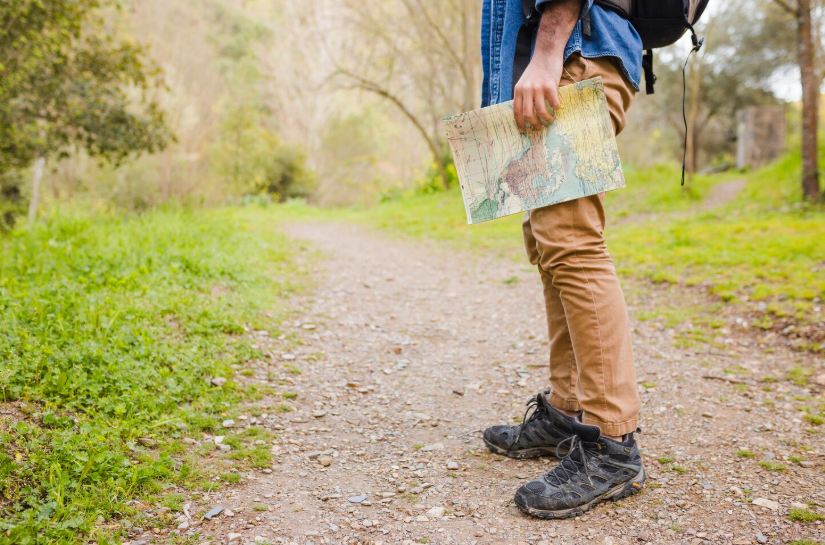

Local tourism reframes familiar places as destinations, revealing experiences that are often overlooked because they seem “too close” to be noticed.
Travel is often associated with expense, planning, and time away from work. However, exploration doesn’t require going far or spending money. With the right free local tourism ideas, curiosity takes the place of consumption, and discovery becomes free.
Local tourism isn’t about pretending your town is something it’s not. It’s about noticing what’s already there.
Why Familiar Places Are Easy to Overlook
When places are part of daily life, the brain filters them out. Streets become routes, buildings become background, and landmarks fade into invisibility. Tourists notice more because everything is new; locals rush past because everything is familiar.
This familiarity bias leads people to spend money seeking novelty elsewhere, even though novelty often exists nearby. Breaking that pattern starts with slowing down and paying attention to details you usually ignore.
Seeing your environment differently doesn’t require new destinations; it needs a new lens.
Explore Cheap Ways to Explore Your City’s History to uncover hidden stories and overlooked landmarks.
How to Explore Your Area Like a Visitor
Tourists wander with intention. They read plaques, follow walking paths, and pause for views that locals pass without noticing. You can do the same.
Start with public spaces: parks, historic districts, waterfronts, public gardens, cemeteries, and downtown areas. Many towns offer self-guided walking tours, historical markers, or informational signage specifically designed for visitors, and these’re usually free.
Try walking without an agenda. Choose a direction instead of a destination. Notice architecture, street art, old signage, or neighborhood shifts. Curiosity turns ordinary streets into discoveries.
To turn local outings into memorable adventures, check out The Art of the $20 Day Trip.
Using Local History as Free Entertainment
Every place has stories. They’re just not always advertised. Libraries, historical societies, and municipal websites often publish free walking guides, archives, and oral histories.
Old neighborhoods, former industrial areas, and preserved buildings reveal how a place evolved. Learning why a street exists, what used to stand there, or how people lived decades ago adds depth to familiar surroundings.
Cemeteries, in particular, are rich historical resources. Dates, symbols, and inscriptions tell stories about local culture, migration, and major events, all without cost.
See Exploring Museums on a Budget (or for Free) to add cultural experiences to your weekly explorations.
Nature, Culture, and Events You’re Already Paying For
Local tourism often overlaps with resources you already fund through taxes. Public trails, nature preserves, scenic overlooks, and conservation areas exist for exploration, not just passing through.
Cultural institutions also offer free access more often than people realize. Museums frequently offer free days, libraries host lectures and exhibits, and universities host public events. Community calendars are filled with festivals, concerts, and art walks that cost nothing to attend.
The key is looking beyond commercial listings. Free experiences rarely advertise aggressively. They rely on curiosity.
Read Turning Nature Walks Into Mindful Mini-Retreats to make outdoor wanderings feel restorative.
Turning Local Exploration Into a Habit
Local tourism works best when it’s repeatable. Instead of treating it like a special outing, build it into regular routines. A weekly walk in a different neighborhood. A monthly “free day” exploration. A seasonal visit to the same spot to notice changes.
Documenting discoveries, through photos, notes, or mental landmarks, deepens engagement and makes familiar places feel new again.
Most importantly, release the idea that experiences need to be purchased to be valuable. When curiosity leads, spending becomes optional.
Local tourism proves that exploration isn’t about distance or money. It’s about attention. And once you start seeing what’s already around you, the urge to spend to feel entertained begins to fade.