Understanding how retail lighting psychology affects perception can help you walk into any store with sharper awareness and a savvy shopping strategy.
Walk into any major retailer, and you’ll notice something subtle but powerful: the lighting never feels accidental. Some stores glow with warm ambiance, others shine with crisp brightness, and some highlight products as if they’re on stage. These choices aren’t aesthetic whims. They are psychological tools designed to shape your mood, increase browsing time, and influence how much you ultimately spend.
The Psychology Behind Retail Lighting
Lighting directs attention before you’ve even taken your first step inside. Humans instinctively gravitate toward well-lit areas, and retailers take advantage of this instinct. Bright entryways create a welcoming atmosphere and pull you deeper into the store’s layout. Once inside, lighting shifts subtly depending on the zone: warm tones for comfort, cool tones for focus, or dramatic spotlights to elevate certain items.
This is because lighting doesn’t just illuminate; it alters emotional and cognitive responses. Warmer lighting tends to slow the shopper down, encouraging them to linger and browse. Cooler lighting promotes clarity and sharpness, enabling customers to evaluate detailed items such as electronics and tools more easily. Mood lighting, such as subtle uplighting or decorative lamps, creates a sense of luxury that justifies higher prices.
Retailers test these effects carefully. Even minor changes in tone can steer your decisions without your noticing. A sweater might look more flattering, a kitchen gadget more “premium,” or a candle more soothing, all because lighting is engineered to evoke those feelings.
See The Surprising Science Behind Why You Overspend at Big Box Stores to see how environments shape spending.
How Lighting Makes Products Look More Appealing
Beyond shaping mood, lighting directly affects how you perceive value. Good lighting can make colors appear richer, materials seem more durable, and textures seem more enticing. Grocery stores, for example, often use enhanced lighting on produce to make it look fresher and more vibrant than it might appear under neutral conditions.
Spotlighting plays an especially strategic role. When a product sits under a bright beam or against a lit display shelf, your brain automatically assigns it more importance. This is why high-margin items often receive the most flattering illumination. Cosmetics counters, jewelry stores, and tech displays rely heavily on directional lighting to heighten visual appeal and increase perceived worth.
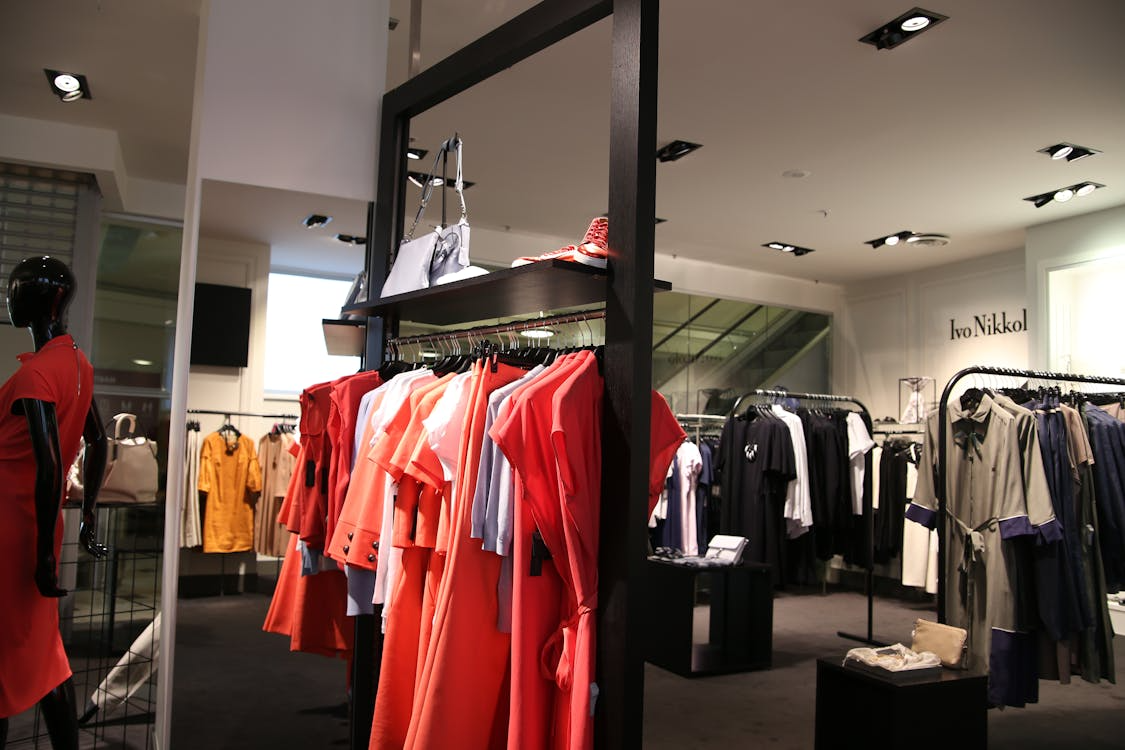
Even clothing retailers adjust lighting to make garments seem more flattering. Subtle warmth makes skin tones glow, and fabrics look smoother, nudging customers toward the fitting room and the checkout aisle. The goal is simple: if it looks better under store lighting, you’re more likely to buy it.
Check out How to Create a ‘Weekend Reset’ Routine That Saves You Money All Week Long to improve spending habits.
How Lighting Influences Shopping Behavior and Spending
Store lighting goes beyond presentation. It shapes how long you stay and how you move. Bright overhead lighting encourages faster movement, making it ideal for big-box stores where high turnover is a priority. Soft lighting slows shoppers down, increasing browsing time and boosting the likelihood of impulse buys.
Some retailers adjust lighting as customers progress deeper into the store. Bright entrances draw you in, ambient lighting keeps you comfortable, and spotlight zones draw attention to promotional items. This progression is intentional and often paired with music tempo, scent, and layout design to create a multi-layered behavioral effect.
Lighting also affects your perception of cleanliness and safety. Shoppers tend to trust well-lit stores and may unconsciously overlook higher prices in exchange for a more pleasant atmosphere. Dim or uneven lighting, on the other hand, can make products appear less desirable and reduce willingness to spend.
The bottom line is that lighting shapes how you perceive quality, value, and comfort, all of which influence your purchasing decisions.
Explore What Makes Some Fabrics Last Longer to understand how presentation can distort value beyond lighting.
How to Shop Smarter by Understanding Lighting Tricks
Once you recognize lighting as a retail tool, you can shop with clearer eyes. Start by checking the product under multiple lighting conditions when possible. Hold clothing near natural light or a brighter area of the store to see its actual color. For cosmetics, step outside or near a window before making a decision.
Don’t equate spotlighted products with better value. Higher visibility doesn’t always mean higher quality. It often means higher margins. When shopping for produce, remember that enhanced lighting can make items appear fresher than they actually are; instead, check texture, firmness, and aroma to ensure freshness, rather than relying solely on appearance.
Another clever tactic is to question your emotional response. If a store feels unusually relaxing or luxurious, ask yourself whether the lighting is creating that illusion. You might find that an item seems appealing only because the ambiance elevates your mood.
Finally, understand that lighting encourages longer browsing. If you’re prone to impulse buying, set a time limit before you walk in or create a specific shopping list to anchor your decisions.