
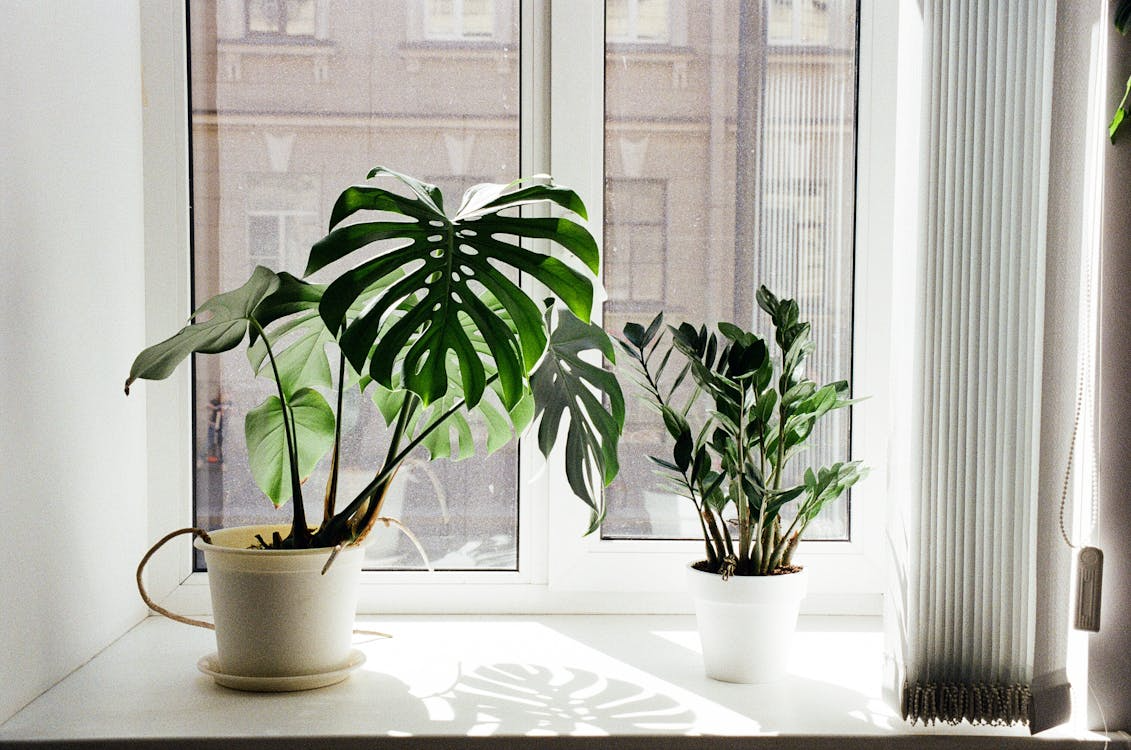
Understanding how plants interact with your home environment allows you to use them more intentionally, not just as décor, but as small contributors to long-term savings.
Houseplants are often chosen for their looks or freshness, but some plants offer an unexpected bonus: they can act as energy-saving houseplants that help lower your power bill.
By influencing humidity, airflow, and even the movement of heat and light through your home, the right plants can quietly reduce the workload of your heating and cooling systems. While plants won’t replace insulation or efficient appliances, they can play a surprisingly supportive role in managing indoor comfort.
How Plants Influence Indoor Temperature
Plants affect temperature through a process called transpiration. As they release moisture into the air, they help cool their surroundings, much like a natural humidifier. In warmer months, this subtle cooling effect can make a room feel more comfortable, reducing the temptation to crank up the air conditioning.
In cooler months, plants can also indirectly help regulate temperature. When placed near windows or exterior walls, they add a thin layer of insulation by slowing air movement and reducing heat loss. While the effect is modest, it can contribute to a more stable indoor climate, especially in rooms that tend to feel drafty.
Over time, even minor improvements in comfort can result in fewer thermostat adjustments and lower energy consumption.
See How the Color of Your Walls Influences Utility Costs for another simple way to affect energy use.
Why Plants Improve Air Quality and HVAC Efficiency
Cleaner air doesn’t just benefit your lungs; it helps your HVAC system work more efficiently. Dust, airborne particles, and excess dryness can strain heating and cooling equipment, forcing it to cycle more frequently. Certain plants help trap dust and increase humidity, creating an environment that’s easier for your system to manage.
When indoor air becomes overly dry, especially in winter, people often raise the thermostat to feel warmer. Plants help maintain a balanced humidity level, allowing you to stay comfortable at lower temperatures. That adjustment alone can significantly reduce your heating bill.
Better air circulation around plants can also reduce stagnant zones in a room, helping the temperature distribute more evenly. This reduces hot and cold spots that cause systems to overcompensate.
For quick energy-saving changes, check out Small Home Tweaks That Cut Utility Costs Instantly.
Which Types of Plants Are Most Energy-Friendly
Not all plants provide the same benefits. Larger, leafy plants tend to have the most significant impact because they transpire more moisture and influence airflow more effectively. Plants like peace lilies, rubber plants, and snake plants are popular choices because they’re hardy and require minimal maintenance.
Trailing or climbing plants can be particularly useful near windows. They help diffuse sunlight in summer, reducing heat gain, while still allowing light to pass through. This natural shading effect can lower indoor temperatures without blocking daylight entirely.
Plants placed in groups amplify these benefits. Multiple plants working together create microclimates that stabilize temperature and humidity more effectively than a single plant in a pot on a shelf.
Explore The ’One More Day’ Rule for Smarter Purchases to avoid impulse spending when buying plants.
How to Place Plants for Maximum Savings
Placement matters more than quantity. Position plants near windows that receive intense sunlight to help manage heat gain during warmer months. In winter, placing plants near cold-prone areas can help soften drafts and stabilize room temperature.
Avoid blocking vents or airflow paths; plants should support circulation, not restrict it. Grouping plants in living spaces where you spend the most time delivers the most significant comfort benefit, reducing the urge to adjust the thermostat.
It’s also essential to keep plants healthy. Well-watered, thriving plants transpire more effectively and deliver better environmental benefits than stressed or neglected ones.
While the energy savings from plants won’t show up as a dramatic line-item reduction, their cumulative effect adds up. Combined with smart thermostat habits and energy-efficient appliances, plants become part of a broader strategy to naturally lower utility costs.