
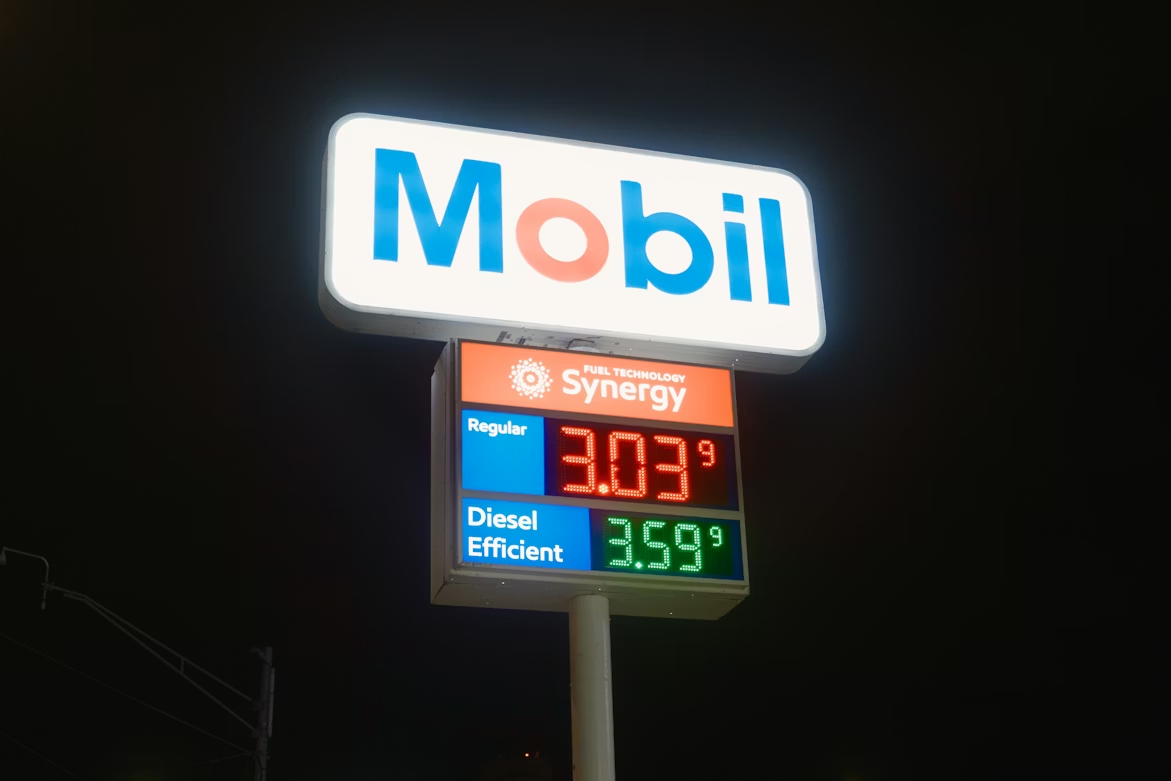
Gas prices are shaped by a blend of global markets, local competition, daily demand cycles, and even commuter habits. When all these elements collide, the number on the sign outside your station can change faster than you’d expect.
If you’ve ever driven past the same gas station twice in one day and seen two different prices, you’re not imagining things. Fuel costs can shift rapidly, sometimes multiple times before sunset. These fluctuations aren’t random, and understanding the forces behind them can help you time your fill-ups, avoid surprise spikes, and keep more of your budget intact.
How Global Oil Markets Create Daily Price Sensitivity
Every gallon of gas ultimately begins with crude oil, which is traded globally and constantly. Prices fluctuate minute by minute, influenced by a range of factors, including geopolitical events, weather patterns, and production forecasts. While gas stations don’t adjust their prices continually, they do respond to wholesale cost changes that trickle down through the supply chain.
When oil prices rise quickly, station owners anticipate higher replacement costs. Because they need to protect their margins before the next fuel delivery, they may raise pump prices during the day, even if the fuel in their tanks was purchased at a lower rate. Conversely, when wholesale prices dip, stations may lower prices to stay competitive, though they tend to do so more gradually.
This global volatility is the foundation for the local changes you see, but it’s only part of the story.
Check out What Everyday Sounds Reveal About Your Car’s Health for subtle clues that prevent avoidable expenses.
Why Gas Stations Adjust Prices Based on Competition
Gas stations are aware that most drivers compare prices, even if it’s subconsciously. That’s why you often see clusters of stations with nearly identical numbers on their signs. When one station lowers its price to attract more customers, neighboring stations may respond within hours.
Local competition can trigger rapid shifts, particularly in urban areas where stations are closely located. A price drop of just a few cents can redirect a stream of drivers, so owners watch one another closely and adjust accordingly.
The opposite also happens. If a nearby station raises prices because of rising wholesale costs, others may follow suit to avoid selling fuel at too thin a margin. This explains why entire neighborhoods sometimes rise or fall in sync.
Explore Why Your Phone Battery Drains Faster in Certain Weather to see how environmental patterns influence costs.
How Time of Day Influences What You Pay
Daily demand cycles play a surprisingly significant role in gas pricing. Stations know when drivers are most likely to fill up, and they adjust prices to match those predictable peaks. Mornings, lunchtime, and late afternoons, especially during rush hour, see higher foot traffic. Prices during these windows often remain firm or creep upward because stations know that customers need fuel, regardless of the cost.
During the late evening and early morning hours, when demand typically dips, more variability may occur. Some stations lower prices overnight to attract price-sensitive customers and trucking traffic. Others use slow hours to update signage based on wholesale adjustments that occurred earlier in the day.
Weekdays and weekends follow separate rhythms, too. Mondays and Tuesdays often see lower prices as demand softens after weekend travel. Toward the end of the week, especially on Fridays, many stations bump prices slightly, knowing more drivers are preparing for weekend plans.
For another example of conditions affecting costs, read Why Weather Impacts What You Pay for Groceries.
How to Use This Knowledge to Find the Cheapest Fuel
Understanding these patterns helps you make more strategic choices at the pump. The best tactic is timing: fill up early in the week and earlier in the day, when stations are more likely to offer stable or lower prices. Avoid fueling during peak commuter hours, when prices are least flexible.
Price-tracking apps can reveal microtrends in your area, showing which stations typically adjust prices first and which ones lag. Often, warehouse clubs and stations on major delivery routes maintain more predictable pricing because they sell higher volumes, reducing the need for frequent changes.
Another tip: consider location. Stations near highways, tourist areas, and airports usually charge more due to convenience-driven traffic. A short drive away from these hotspots can save you a significant amount of money over time.
Finally, watch for price moves tied to broader events, such as hurricanes, holidays, or refinery outages, which often trigger increases. Filling up before spikes hit your region can help you avoid paying the cycle’s peak price.