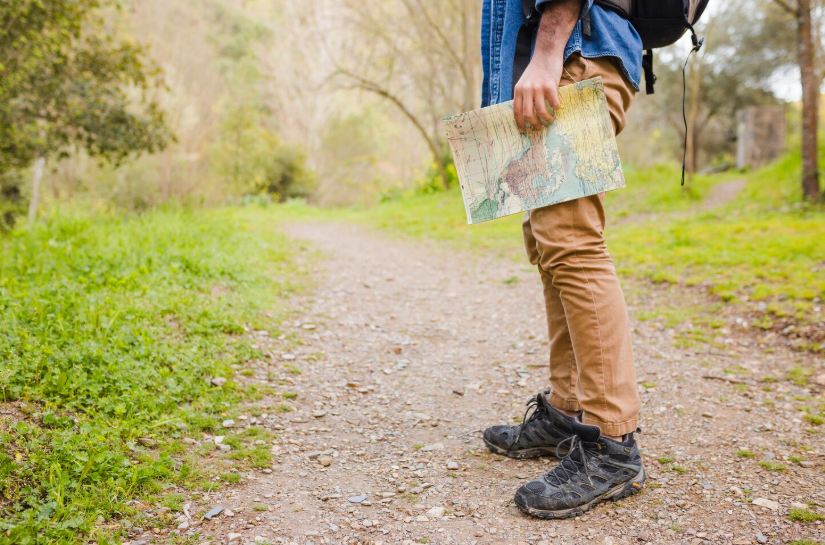

When expectations shift from luxury to discovery, a small budget becomes surprisingly powerful. The art of how to plan a $20 day trip lies in choosing experiences over extras and letting curiosity, not spending, guide the day.
A day trip doesn’t need hotel bookings, expensive tickets, or weeks of planning to feel refreshed. With a bit of intention, $20 is often enough to create a memorable mini-adventure that breaks routine and satisfies the urge to explore.
Why Low-Budget Trips Feel More Rewarding
Expensive trips often come with pressure: to maximize value, see everything, and justify the cost. Low-budget trips remove that weight. When the goal isn’t to “get your money’s worth,” you’re freer to wander, change plans, and enjoy the moment.
A $20 limit also sharpens creativity. Instead of defaulting to paid attractions, you look for natural scenery, walkable areas, free events, and local character. This often leads to more authentic experiences than those offered by highly commercial destinations.
The simplicity makes the day feel lighter and more spontaneous.
For inspiration on meaningful adventures, see Cheap Ways to Explore Your City’s History.
Choosing the Right Destination for a $20 Trip
The best $20 destinations are close, walkable, and layered with free or low-cost activities. Small towns, historic districts, state parks, waterfronts, scenic drives, and college towns are ideal starting points.
Look for places where parking is free or cheap, and where exploration doesn’t rely on admission fees. Trails, downtowns, beaches, river walks, and overlooks provide built-in entertainment at no cost.
Research lightly. A quick search for “free things to do” or scanning a town map often reveals more than enough to fill a day.
Check out Exploring Museums on a Budget (or for Free) to add zero-cost cultural stops.
How to Allocate Your $20 Intentionally
The budget isn’t meant to be spent. It’s intended to be used strategically. Decide in advance what will enhance the experience the most.
For some trips, that might be fuel or transit. For others, it’s a shared meal, a coffee stop, or a local treat. Spending intentionally prevents nickel-and-dime decisions that add up quickly.
Pack the rest. Water, snacks, sunscreen, a blanket, or a camera eliminate the need for convenience spending and extend how long you can comfortably stay out.
Explore Turning Nature Walks Into Mindful Mini-Retreats for a peaceful, intentional way to extend your day trip.
Building the Day Around Experiences, Not Purchases
Structure the day loosely. Start with movement, such as walking, hiking, or exploring a neighborhood. Add a pause point, like a park bench, overlook, or public square. Let curiosity fill the gaps.
Free experiences often complement each other well: a trail leads to a town, a town leads to a park, and a park leads to a scenic drive home. Each transition adds variety without cost.
Avoid overscheduling. Leaving space allows you to linger when something feels interesting, where the best moments often happen.
To stretch your travel budget, don’t miss Travel Hacking for Beginners: What’s Actually Worth It?
Why the $20 Day Trip Changes How You Travel
Practicing low-budget trips reshapes expectations. You begin noticing how often enjoyment has little to do with spending and everything to do with presence and place.
These trips also build confidence. When you know you can create meaningful experiences cheaply, you feel less pressure to save up for “someday” travel. Exploration becomes something you do now, not later.
Over time, the $20 day trip becomes a template. You stop asking, How much will this cost? You begin asking, What’s nearby that I haven’t really seen yet?
And once that shift occurs, adventure stops being rare; it becomes an integral part of everyday life.