
Exploring local history doesn’t require guided tours, museum tickets, or expensive books. If you’ve ever wondered how to explore local history for free, the good news is it only takes curiosity and a few accessible resources.
Every city has layers of history hiding in plain sight, such as old buildings you pass daily, streets named after forgotten figures, and neighborhoods shaped by events you’ve never been told.
Local history becomes most engaging when it feels personal rather than academic.
Why Local History Feels More Interesting Than You Expect
History often feels distant when it’s taught in broad strokes. Local history is different because it’s grounded in places you recognize. When events happened here, they felt more real and relevant.
Learning why a street exists, what stood on a vacant lot decades ago, or how a neighborhood formed adds depth to everyday routines. Ordinary walks become story-rich experiences, rather than just background noise.
This kind of exploration satisfies curiosity without requiring spending, travel, or special preparation.
Discover Exploring Museums on a Budget (or for Free) to add more low-cost learning stops.
Using Walking Routes as Living History Lessons
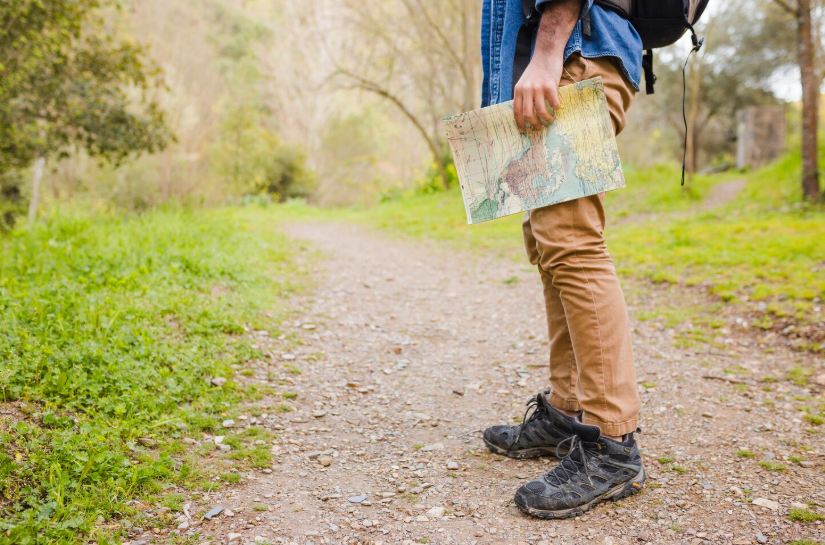
One of the cheapest ways to explore history is to walk. Historic districts, older neighborhoods, downtown cores, and former industrial areas are full of architectural clues and markers of change.
Look for plaques, cornerstones, dates, and unusual design details on buildings. Churches, schools, train stations, cemeteries, and public buildings often hold the longest histories in a city.
Walking the same route at different times reveals patterns. You begin noticing what has been preserved, what has been repurposed, and what has disappeared, all of which tell part of the story.
Explore How to Experience Local Tourism Without Spending a Dime to uncover meaningful stories.
Free Resources Hiding in Plain Sight
Libraries are one of the richest historical resources available for free. Local history rooms, archives, old newspapers, city directories, and photo collections provide a deep insight into how a place has evolved.
Many libraries and city websites host digitized archives that can be explored from home. Old maps, census records, and photographs enable you to visually compare the past and the present.
Historical societies often publish walking guides, brochures, or online exhibits that are accessible at no cost. Even if their physical tours have a fee, their educational materials are usually free.
For more free ideas, check Backyard Stargazing: A Free Hobby That Enriches Your Life.
Exploring Cemeteries, Landmarks, and Public Records
Cemeteries are outdoor history books. Headstones reveal dates, family connections, symbols, and social patterns. Veterans’ sections, immigrant names, and age clusters reflect major events, such as wars, epidemics, and migrations.
Public landmarks, such as statues, memorials, bridges, and courthouses, often exist because of specific historical moments. Reading their inscriptions or researching their origins adds context to places people usually pass without noticing.
City records, zoning maps, and planning documents are typically available to the public. These examples illustrate how economic shifts, transportation changes, or policy decisions have shaped neighborhoods.
Learn The Art of the $20 Day Trip for simple adventures that blend curiosity and local discovery.
Turning History Exploration Into a Habit
History exploration works best when it’s casual and repeatable. Instead of trying to learn everything at once, focus on one small question at a time. Why is this street named this way? What used to be here? Who built this?
Pair history with regular activities. Walk a historic route instead of a familiar one. Read about a neighborhood before visiting it. Look up one fact after noticing something unusual.
Documenting discoveries, even informally, deepens engagement. Taking photos, keeping notes, or mentally bookmarking places makes exploration feel rewarding without turning it into a project.
Cheap local history exploration builds appreciation for where you live. When places stop being anonymous, they feel richer and more connected. And when curiosity replaces consumption, learning becomes a free, ongoing adventure woven into daily life.